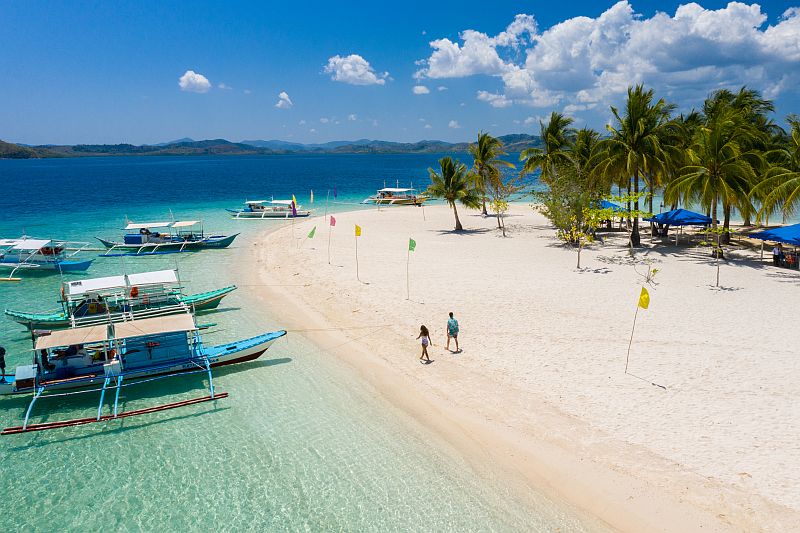
Palawan is the largest province in the Philippines by land area and one of its most ecologically significant. The long, narrow island chain extending from just south of Mindoro to the northern coast of Borneo forms the western edge of the Philippine archipelago. Forests cover most of the land. The surrounding seas hold some of the richest marine environments in the world. Puerto Princesa City on the eastern coast is the capital and the gateway for most travelers.
The Last Frontier
Palawan's reputation as the 'Last Frontier' is not simply promotional. It has the lowest population density of any Philippine province and the most intact forest cover. The Palawan Biosphere Reserve, designated by UNESCO, covers most of the main island. The province holds two UNESCO World Heritage Sites: the Puerto Princesa Subterranean River and the Tubbataha Reefs Natural Park.
Palawan is the only Philippine province with two UNESCO World Heritage Sites: the Puerto Princesa Subterranean River National Park (inscribed 1999) and the Tubbataha Reefs Natural Park (inscribed 1993, expanded 2009). The province also has numerous endemic species found nowhere else on earth.
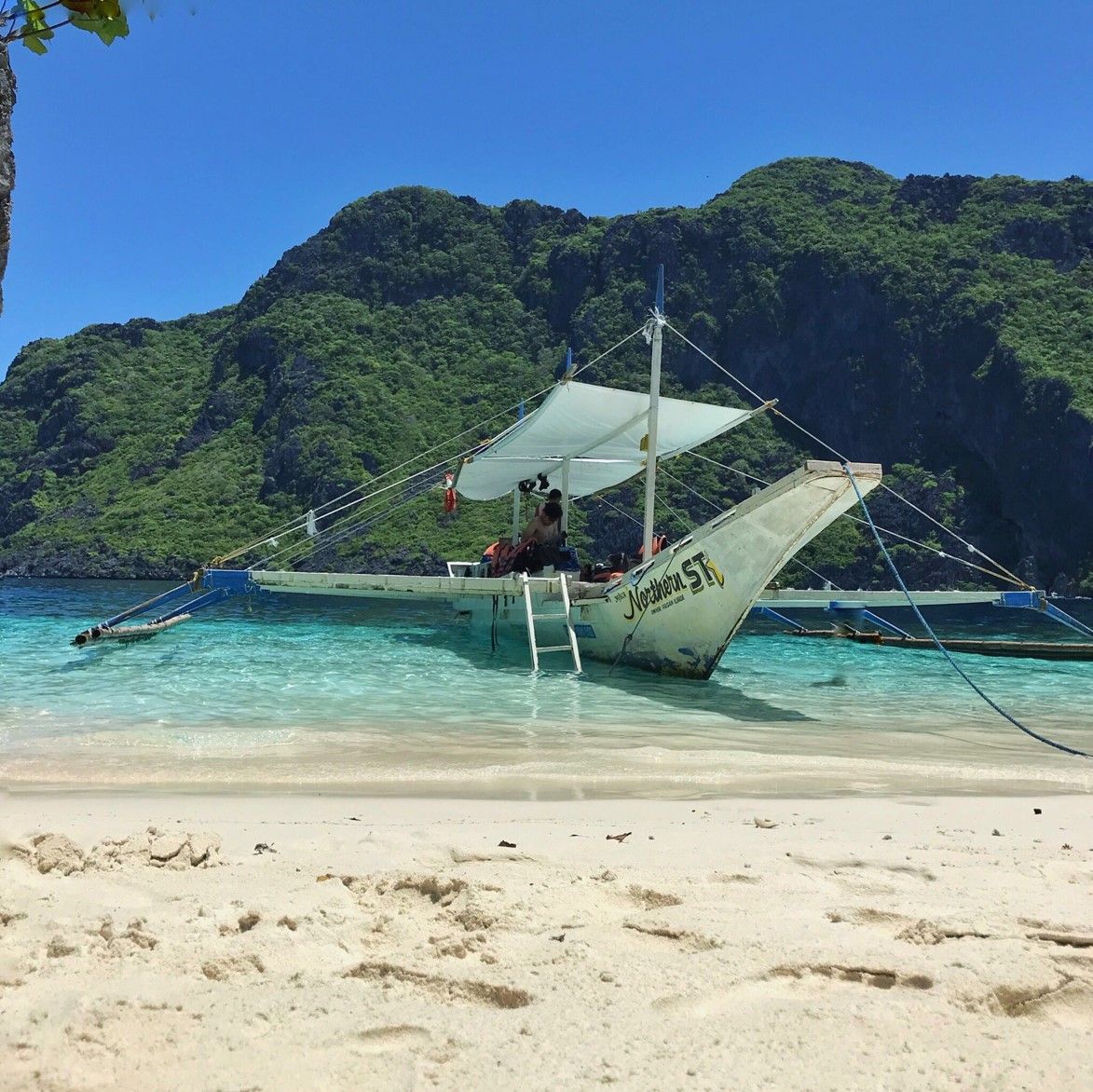
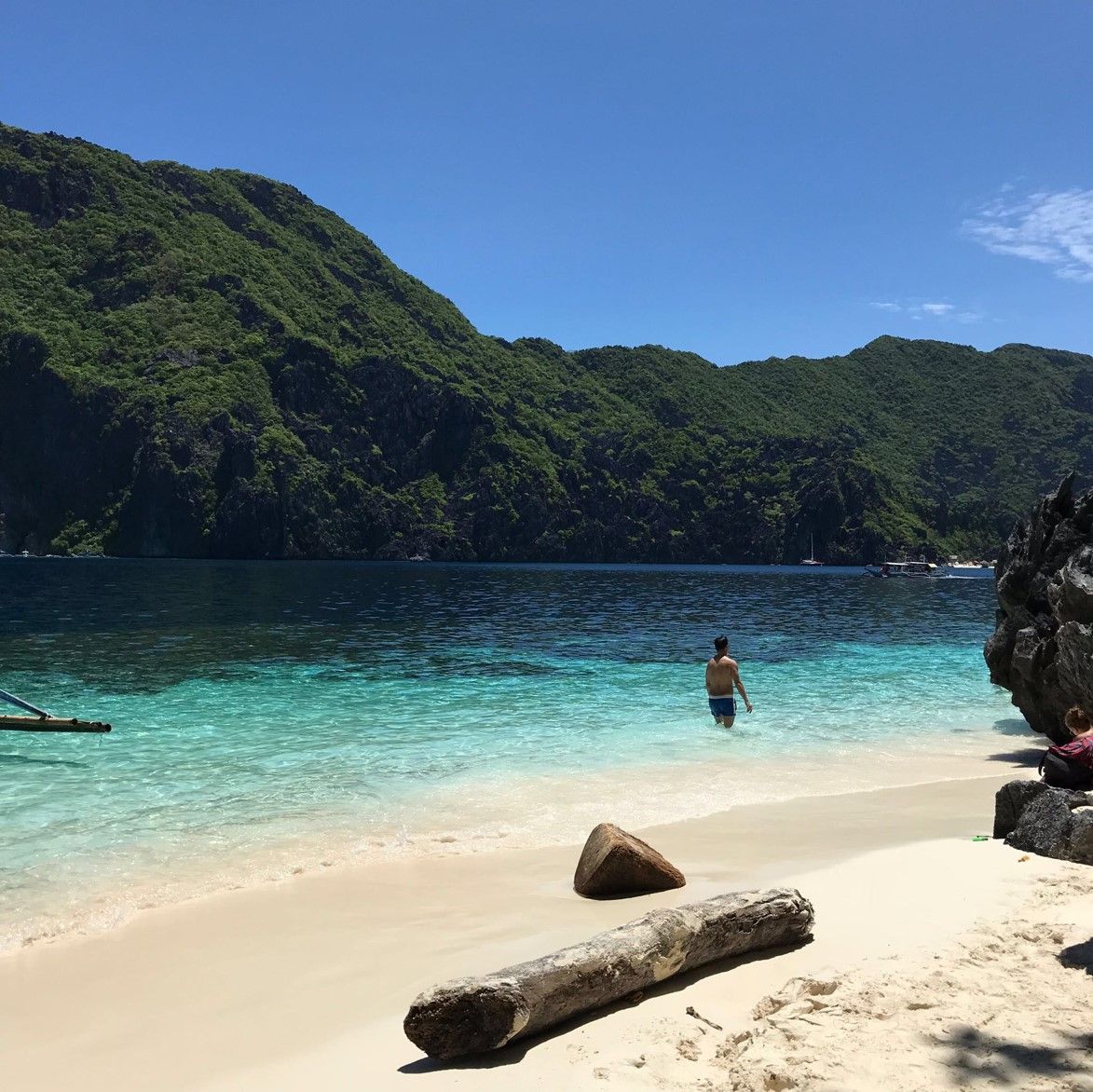
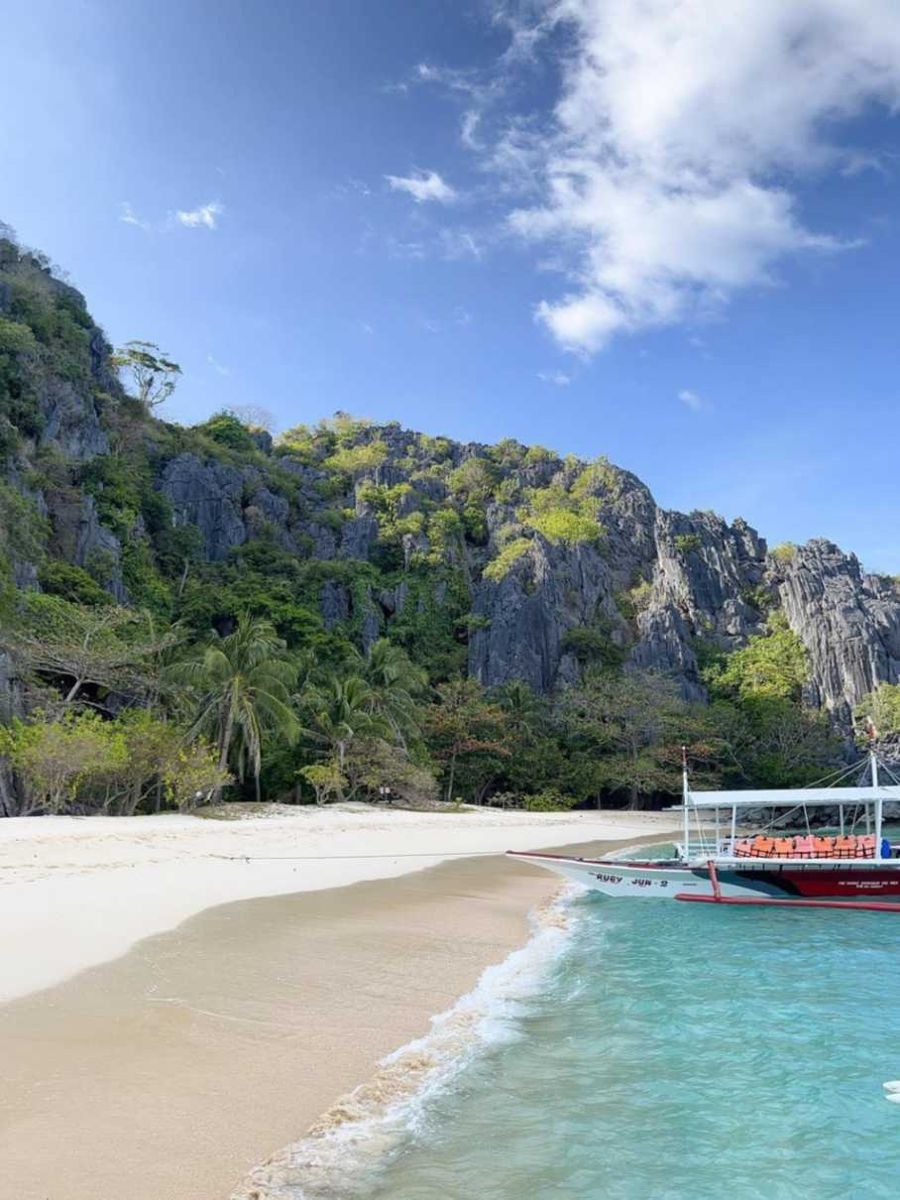
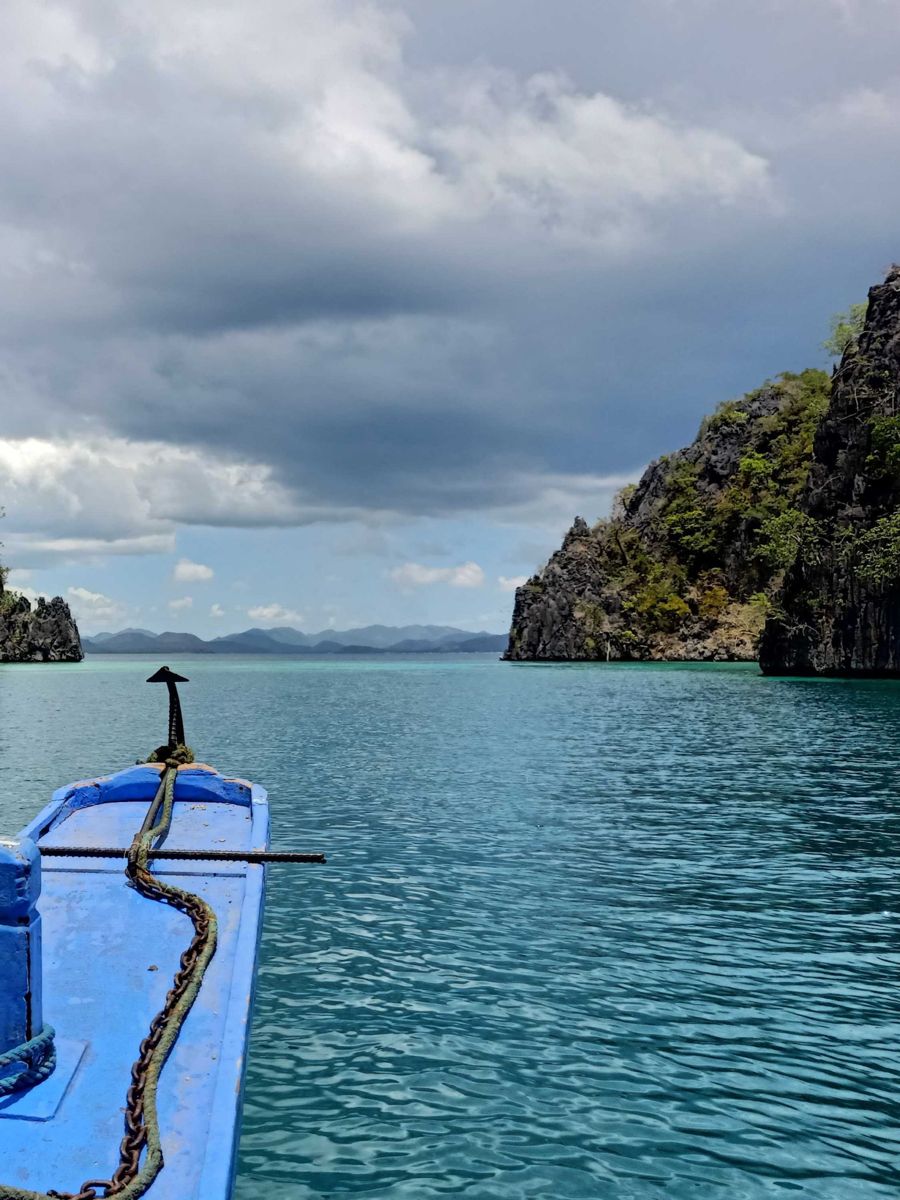
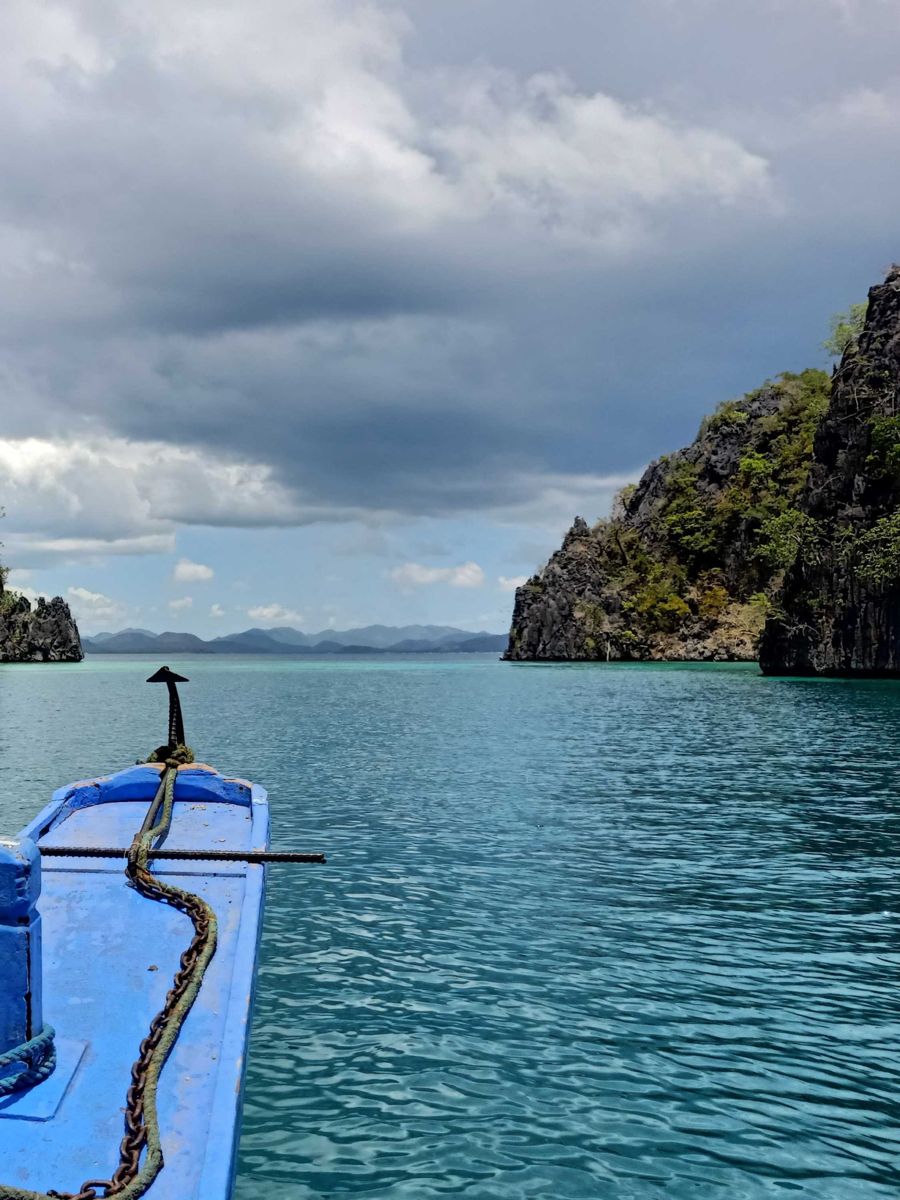
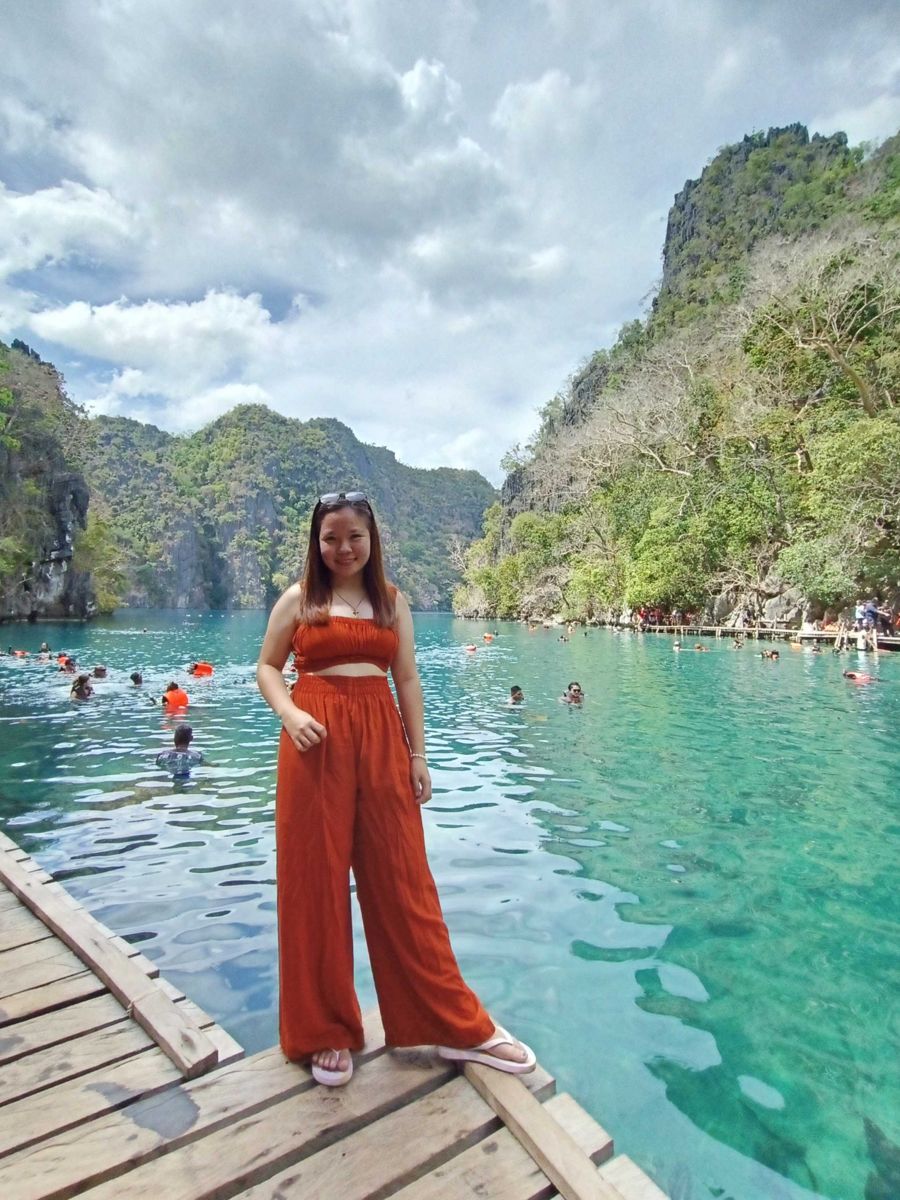
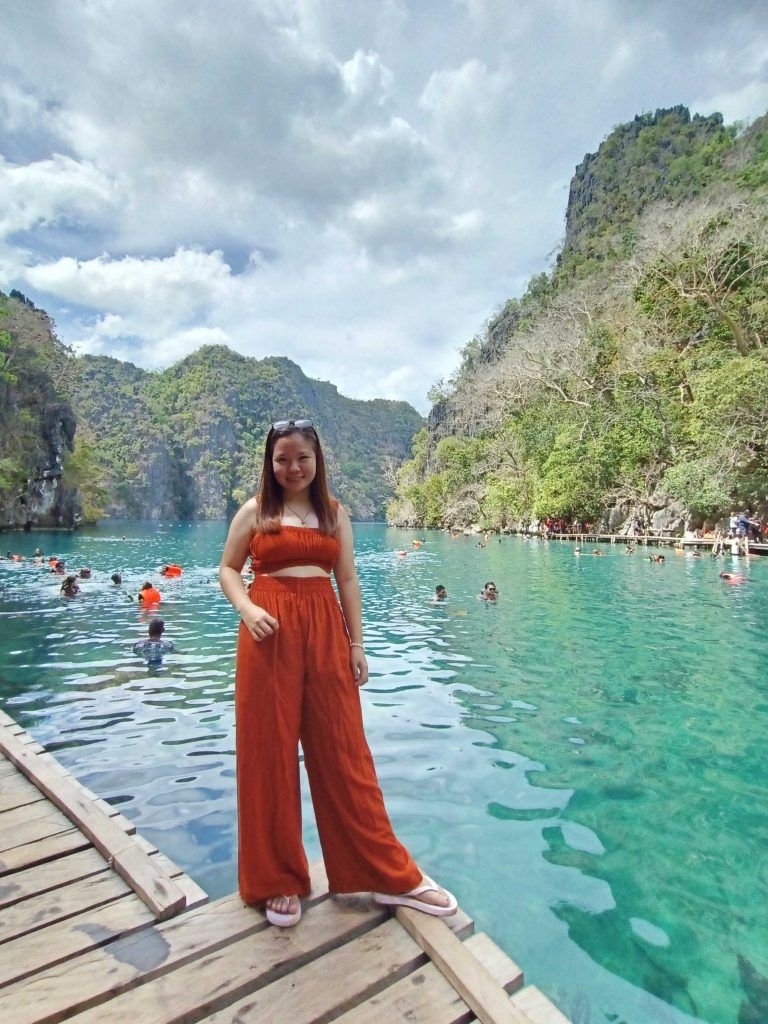
El Nido in the north and Coron in the Calamian Islands are internationally recognized destinations. El Nido's limestone karst formations rising from turquoise lagoons are among the most photographed landscapes in Southeast Asia. Coron is known for World War II wreck diving and the freshwater Kayangan Lake.