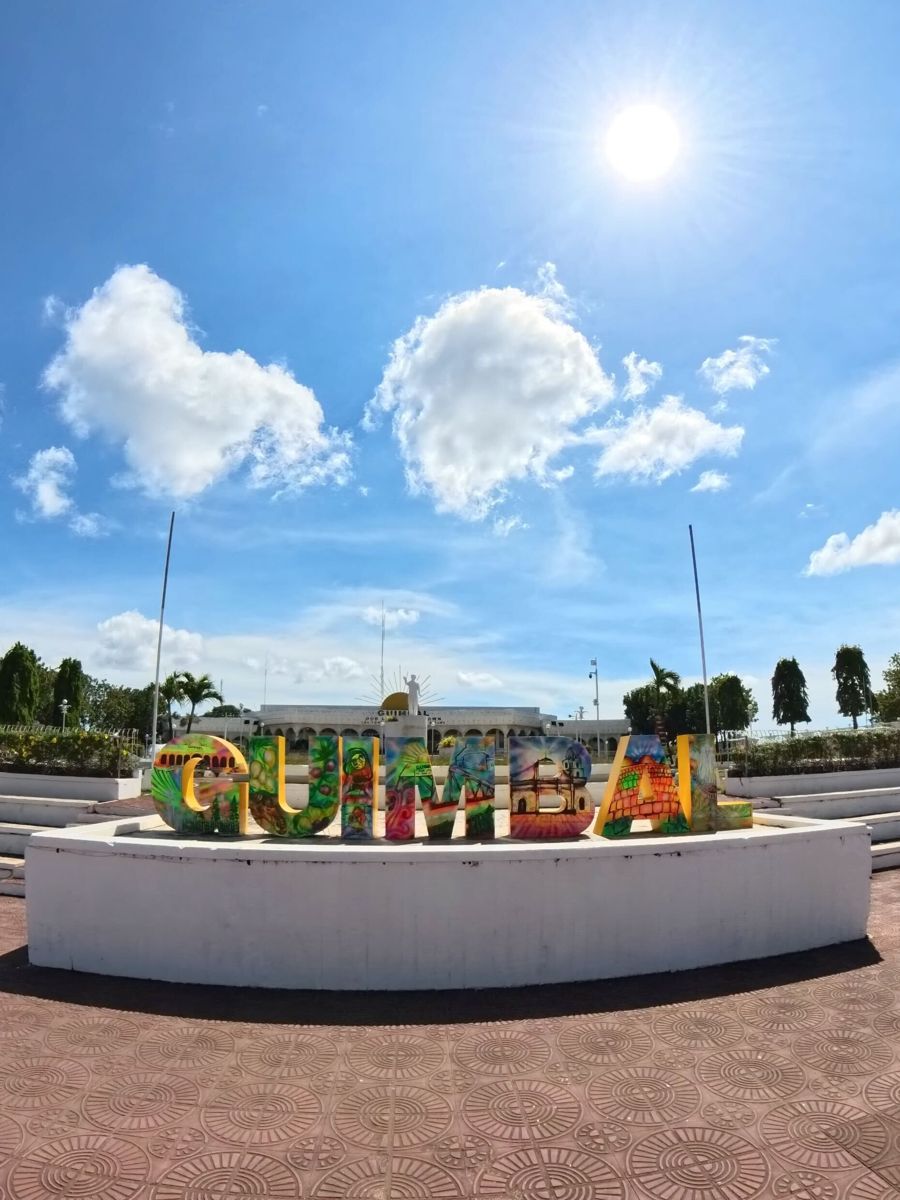
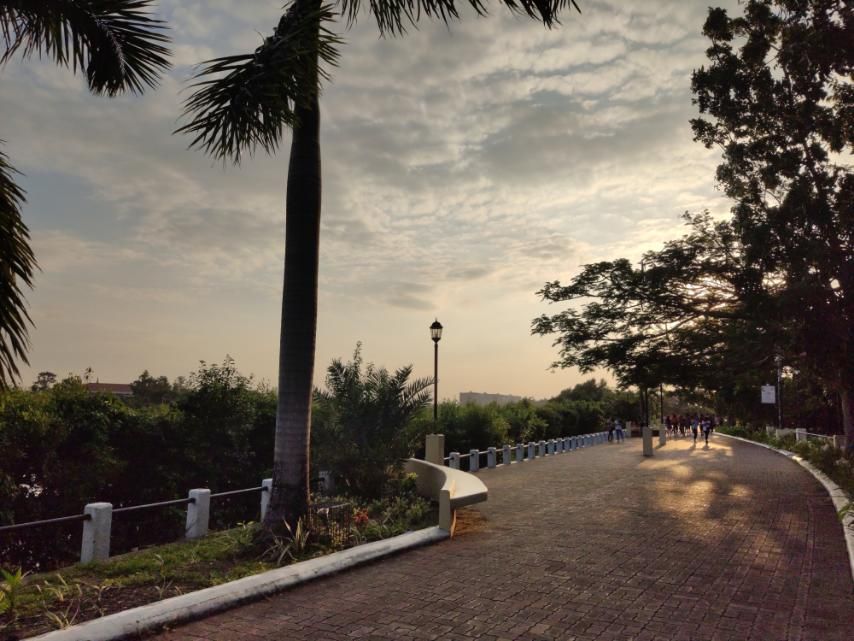
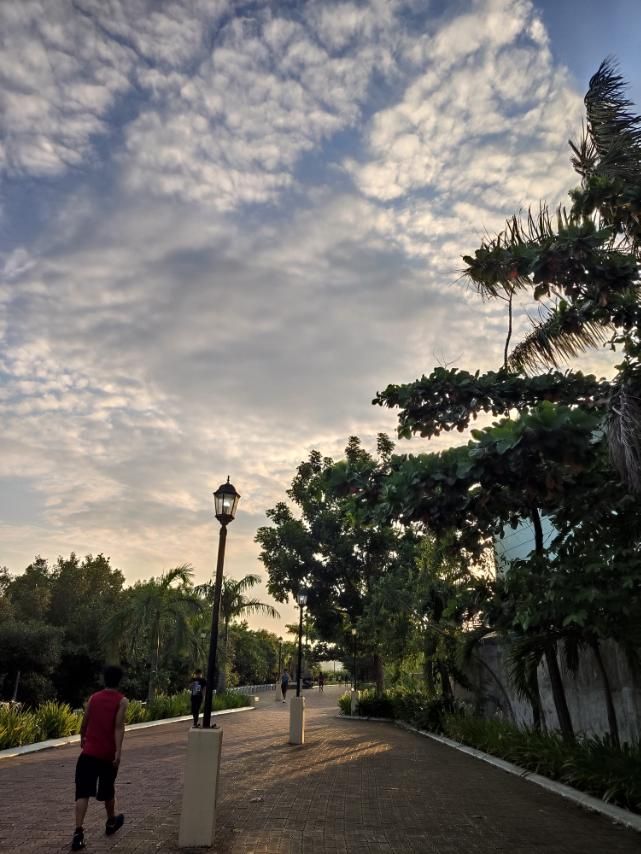
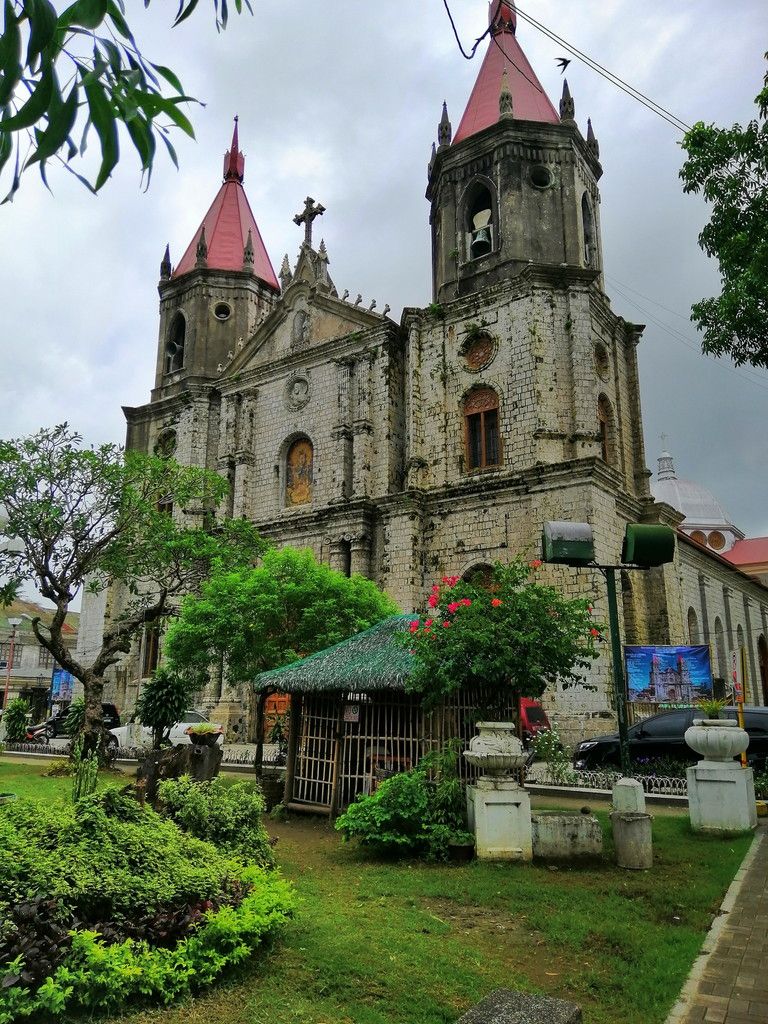
Iloilo is the cultural and economic center of Western Visayas — a province with a long history of prominence that goes back to the Spanish colonial period, when it was the third most important city in the archipelago after Manila and Cebu. The capital, Iloilo City, remains a significant urban center and the gateway to the Western Visayas.
Iloilo CityCapital
5,324 km²Area
42Municipalities
VisayasIsland Group
Iloilo City is separated from the rest of the province by its independent city status, but functions as the commercial and cultural hub for the entire province and for Guimaras, Antique, and Capiz as well. It has a reputation for food, heritage architecture, education, and a civic culture that other Philippine cities sometimes attempt to emulate.
★
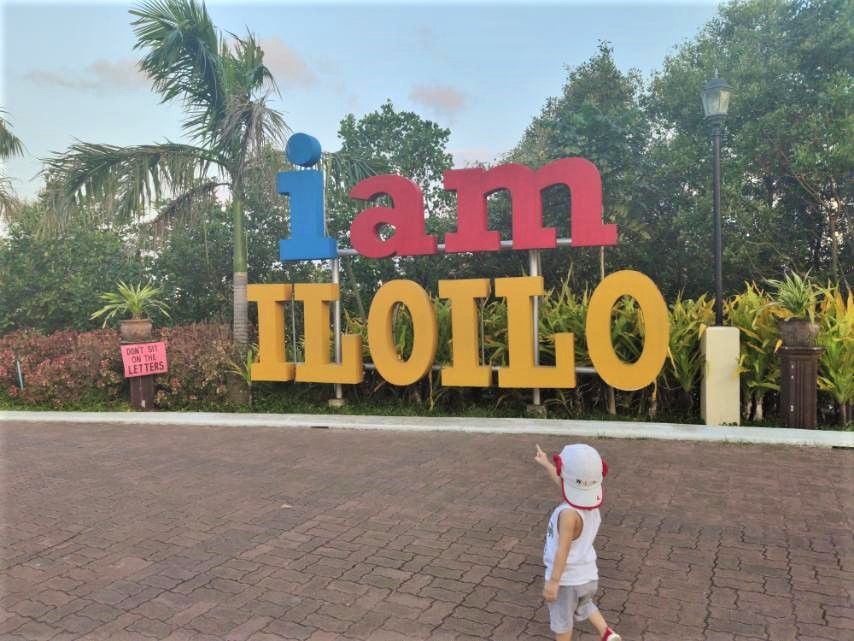
City of LoveIloilo City is informally called the 'City of Love' — a marketing designation — but its more substantive claim to distinction is culinary. La Paz batchoy, the noodle soup originating in the La Paz district, is one of the most recognized regional dishes in the Philippines and has been exported across the country through chains and home cooks.
The province is known for jusi and piña fabric weaving — fine textiles made from abaca, pineapple fiber, and silk that were the product of Ilonggo weavers during the colonial period and are still produced in the weaving towns of Miagao and Pototan. The Dinagyang Festival, held every January in Iloilo City, is one of the most elaborate street festivals in the Philippines.
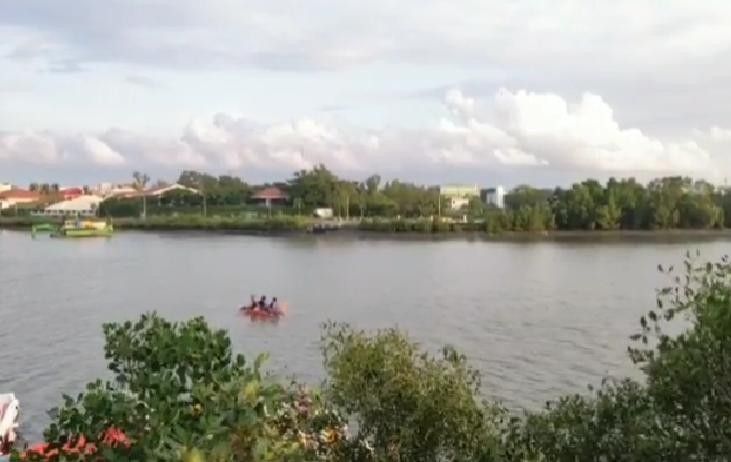
Iloilo's prominence in the colonial period derived from its position as a port and trade center. The Iloilo River estuary provided a natural harbor, and the city grew as a center for the sugar trade, rice processing, and eventually textile production. By the nineteenth century, it had a significant Chinese mestizo merchant class that built the houses still visible in Calle Real.
1566Spanish Establish Presence in Iloilo
Miguel Lopez de Legazpi established Spanish authority in the Panay area, with Iloilo becoming a center of colonial administration for the Visayas. Augustinian missionaries followed, establishing missions throughout Panay.
1855Port of Iloilo Opens to International Trade
Iloilo was opened as a treaty port to international commerce, connecting it directly to the global sugar and textile trade. This accelerated the growth of the Chinese mestizo merchant class and produced the grand houses and commercial buildings of the late nineteenth century.
1898–1901Aguinaldo Government and American Occupation
Iloilo briefly served as the capital of the Philippine Republic under Emilio Aguinaldo before American forces took the city in February 1899. The Visayan government continued resistance for several years.
1937La Paz Batchoy Created
Federico Guillergan Sr. is credited with creating batchoy in La Paz market around 1938. The exact date is disputed, but the dish was established in the La Paz district by the late 1930s and spread throughout Iloilo before becoming a nationally known dish.
1998Dinagyang Festival First Held
The Ati-Atihan-inspired Dinagyang Festival was established in Iloilo City. It grew into one of the largest and most elaborate street festivals in the Philippines, drawing hundreds of thousands of visitors each January.
Ilonggo culture is defined by a combination of colonial heritage and indigenous Kinaray-a and Hiligaynon traditions. The term 'Ilonggo' refers to the people of Iloilo and their language, and carries a regional identity distinct from broader Bisayan designations.
Dinagyang Festival
Dinagyang, held in the fourth week of January, is a competition of costumed and choreographed dance tribes performing in honor of the Santo Niño (Holy Child). The competing groups — called tribes — spend months preparing elaborate costumes made from natural materials and rehearsing complex choreography. The street performances are judged on costume, choreography, discipline, and showmanship. The festival has become one of the premier cultural events in the Philippines.
★
Jusi and Piña WeavingIloilo was historically a center of fine textile production. Piña cloth, woven from pineapple leaf fiber, and jusi, a woven silk-abaca blend, were the materials of choice for barong tagalog (the Philippine formal shirt) and women's formal wear during the colonial and post-colonial periods. The weaving towns of Miagao and Pototan maintained these traditions. The craft has declined significantly but survives in specialized workshops.
General Martin Delgado
Revolutionary Leader1858–1920Martin Delgado led the Ilonggo forces in the Philippine Revolution against Spain and later against the United States. He declared Iloilo's independence from Spain in November 1898. His resistance to the American occupation continued until 1901. He is one of the central figures of Iloilo's revolutionary history.
Iloilo has one of the most developed regional food cultures in the Philippines. The city's food scene is anchored by batchoy and pancit, but the broader Ilonggo table includes KBL (kadios, baboy, langka), fresh seafood from the surrounding waters, and a baking tradition that produces distinctive bread and pastries.
La Paz Batchoy
A noodle soup made with pork offal, crushed chicharon (pork cracklings), fresh egg noodles, and a rich broth of pork bones. The bowl is finished with a raw egg cracked in and stirred through the hot soup. Originating in the La Paz district market, it has become a national staple. The original stall in La Paz market remains operational.
KBL (Kadios, Baboy, Langka)
A stew of kadios beans, pork, and young jackfruit, seasoned with batwan fruit — a souring agent specific to the Visayas. The combination of legume, pork, and starchy vegetable produces a thick, earthy broth. KBL is considered a quintessential Ilonggo home dish.
30 minutesPrep
2 hoursCook
4Serves
Ingredients
- 1 kgpork bones
- 200gpork liver, thinly sliced
- 100gpork heart, thinly sliced
- 400gfresh egg noodles (pancit miki)
- 100gpork chicharon (cracklings), crushed
- 6 clovesgarlic, minced and fried crispy
- 3 stalksspring onion, sliced
- 4 pieceseggs
- 3 tbspfish sauce
- to tastesalt and pepper
Method
- Simmer pork bones in 2 liters of water for at least 2 hours to produce a rich broth. Season with fish sauce and salt.
- Blanch pork liver and heart in boiling water for 3 minutes. Slice thin and set aside.
- Cook egg noodles in boiling water per package instructions. Drain.
- To assemble: place noodles in a bowl.
- Add sliced liver and heart.
- Ladle hot broth over the noodles.
- Top with crushed chicharon, crispy garlic, and spring onion.
- Crack one raw egg into the bowl — the heat of the soup will partially cook it.
- Serve immediately.
Cook's noteThe quality of batchoy depends on the broth. Two hours minimum for the bone broth; serious cooks simmer it overnight. The raw egg is traditional and correct — it adds richness to the soup as it partially cooks in the hot broth. If squeamish about raw egg, omit it, but you lose something essential.
Hiligaynon — also called Ilonggo — is the primary language of Iloilo and the lingua franca of Western Visayas. It is spoken by approximately 9 million people, making it the fifth most widely spoken language in the Philippines. Its distribution has been spread by Ilonggo migration to other regions.
Hiligaynon (Ilonggo)Primary Language
~9 million in PhilippinesSpeakers
Austronesian / BisayanLanguage Family
Western Visayas (Region VI)Region
Kinaray-a, spoken in the Antique province of Panay and in parts of Iloilo, is a related but distinct language — not a dialect of Hiligaynon. Its speakers have a distinct regional identity. The boundary between Hiligaynon and Kinaray-a in the province reflects historical patterns of settlement and political organization.
Hiligaynon has a significant literary tradition. The awit and corrido — narrative poem forms in the colonial literary tradition — flourished in Iloilo, and the province produced notable twentieth-century writers in Hiligaynon. The Iloilo-based literary tradition is one of the richer provincial literatures in the Philippines.
Iloilo City is well-connected by air and sea. The Iloilo International Airport in Cabatuan receives daily flights from Manila, Cebu, and other major cities. Ferries connect Iloilo to Bacolod (Negros), Manila, and other Visayas ports.
~1 hourFlight from Manila
Iloilo International Airport (Cabatuan)Airport
~1 hour (Iloilo–Bacolod route)Ferry to Bacolod
15 minutes (Ortiz Wharf–Jordan)Ferry to Guimaras
La Paz Market
The La Paz public market is where batchoy was born and where the original stalls still operate. The market is a working food market, not a tourist destination, and the batchoy served here is the benchmark against which all others are measured. Best visited at breakfast or early morning merienda.
Calle Real Heritage District
The historic commercial district of Iloilo City, centered on Calle Real (now J.M. Basa Street), contains the remnants of the city's nineteenth-century commercial grandeur — Spanish-era warehouses (bodegas), heritage buildings converted to restaurants and galleries, and the Iloilo Museum of Contemporary Art (ILOMOCA). The district is walkable and best seen on foot in the early morning.
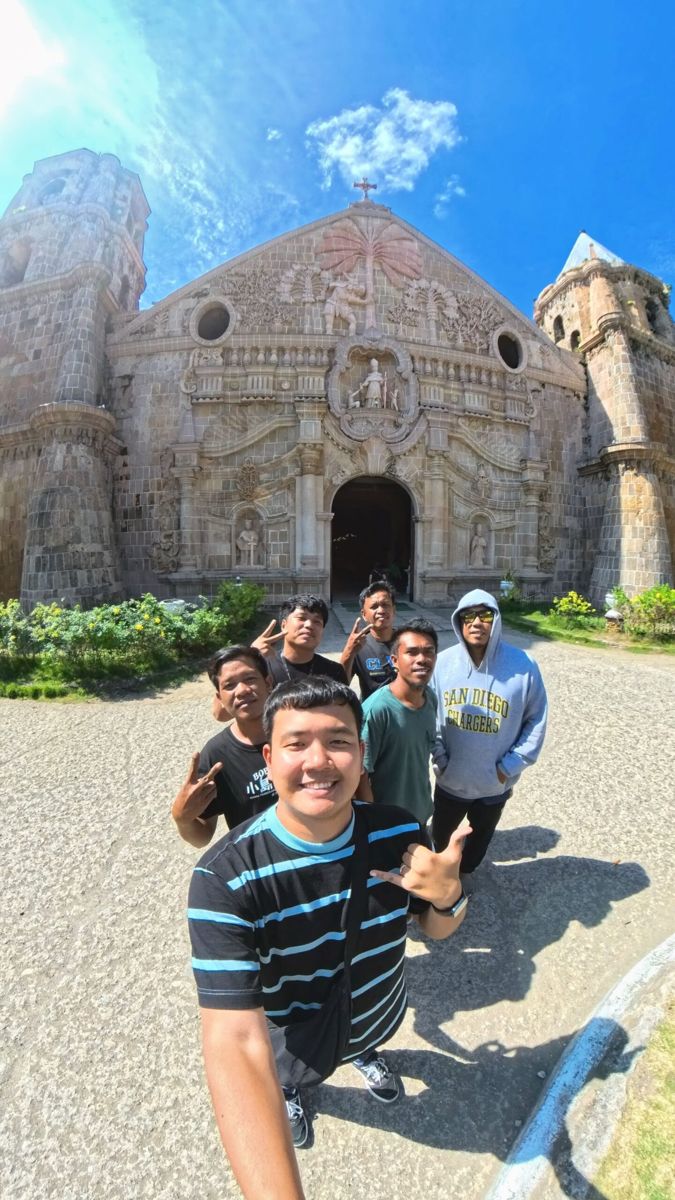
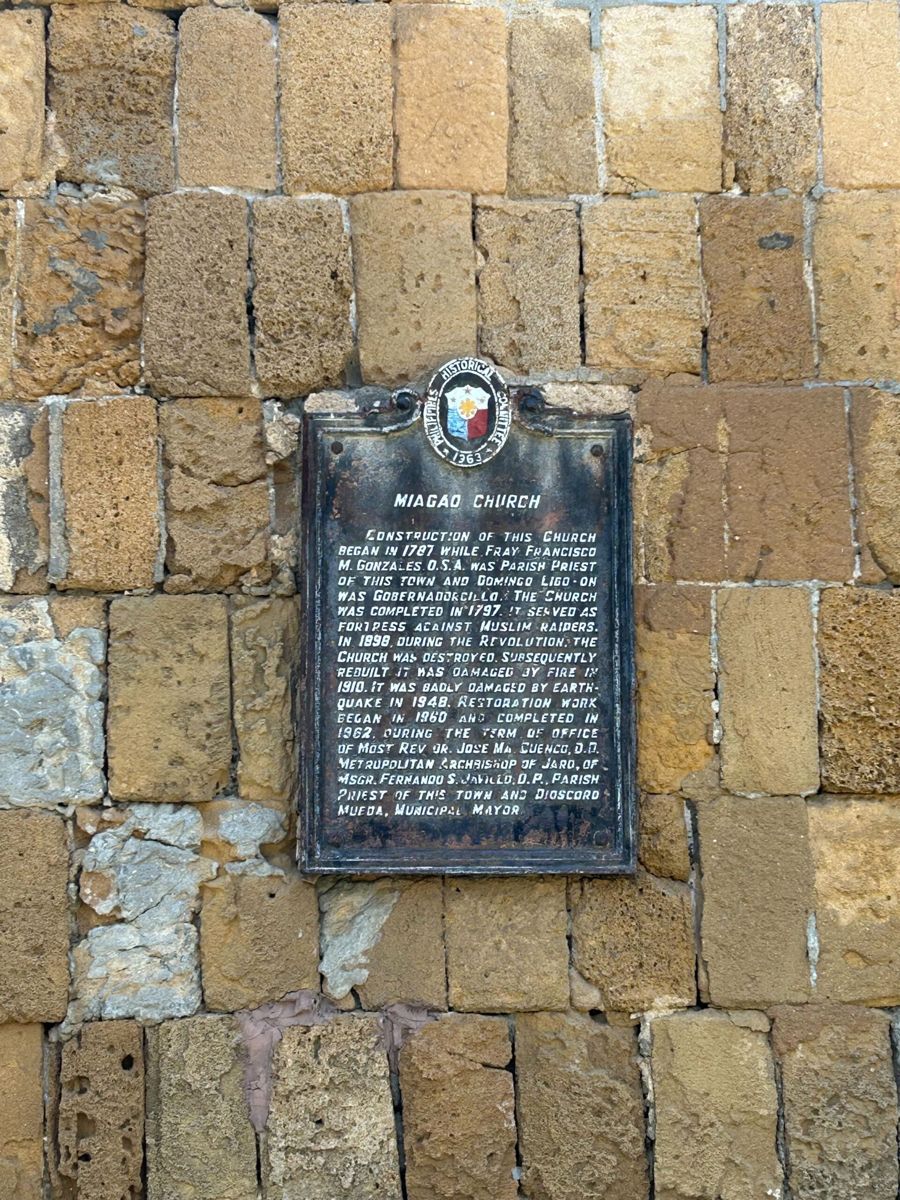
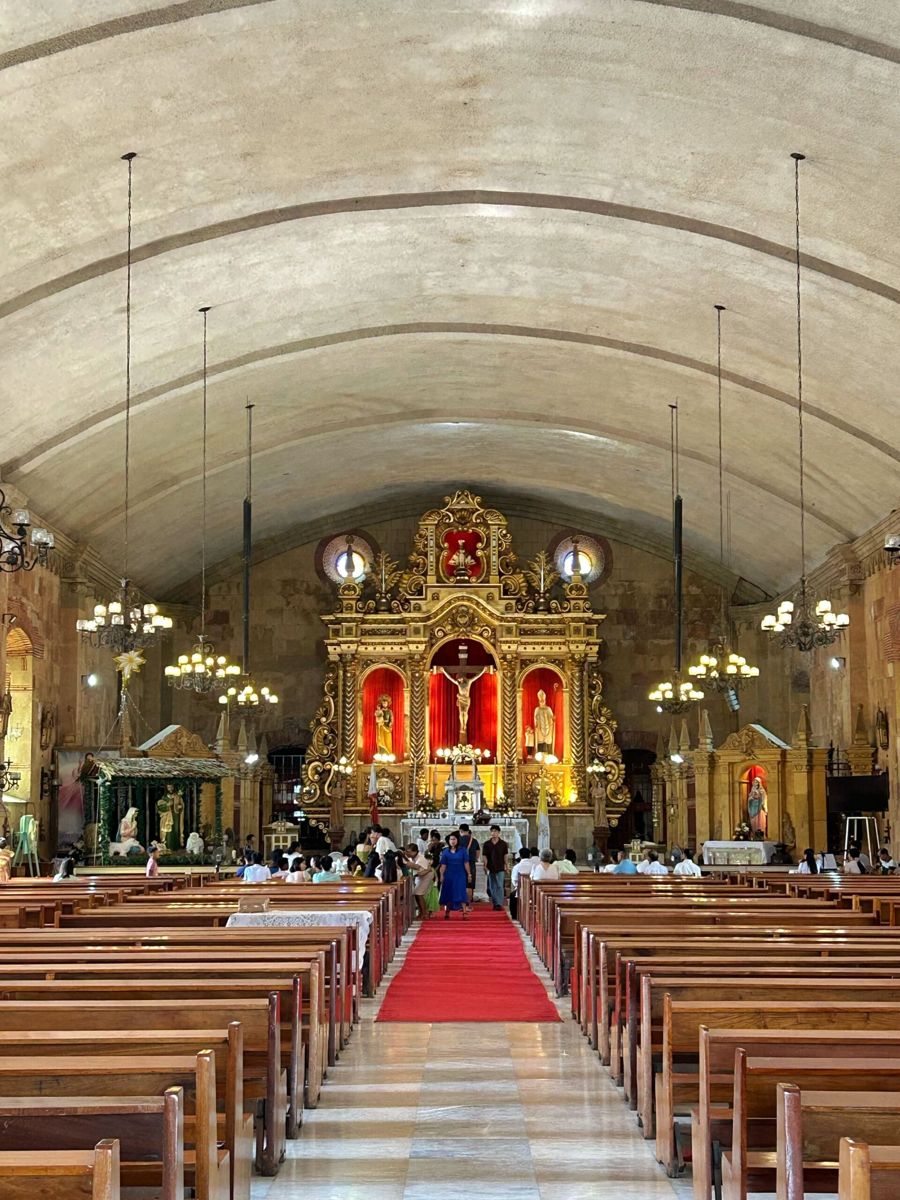
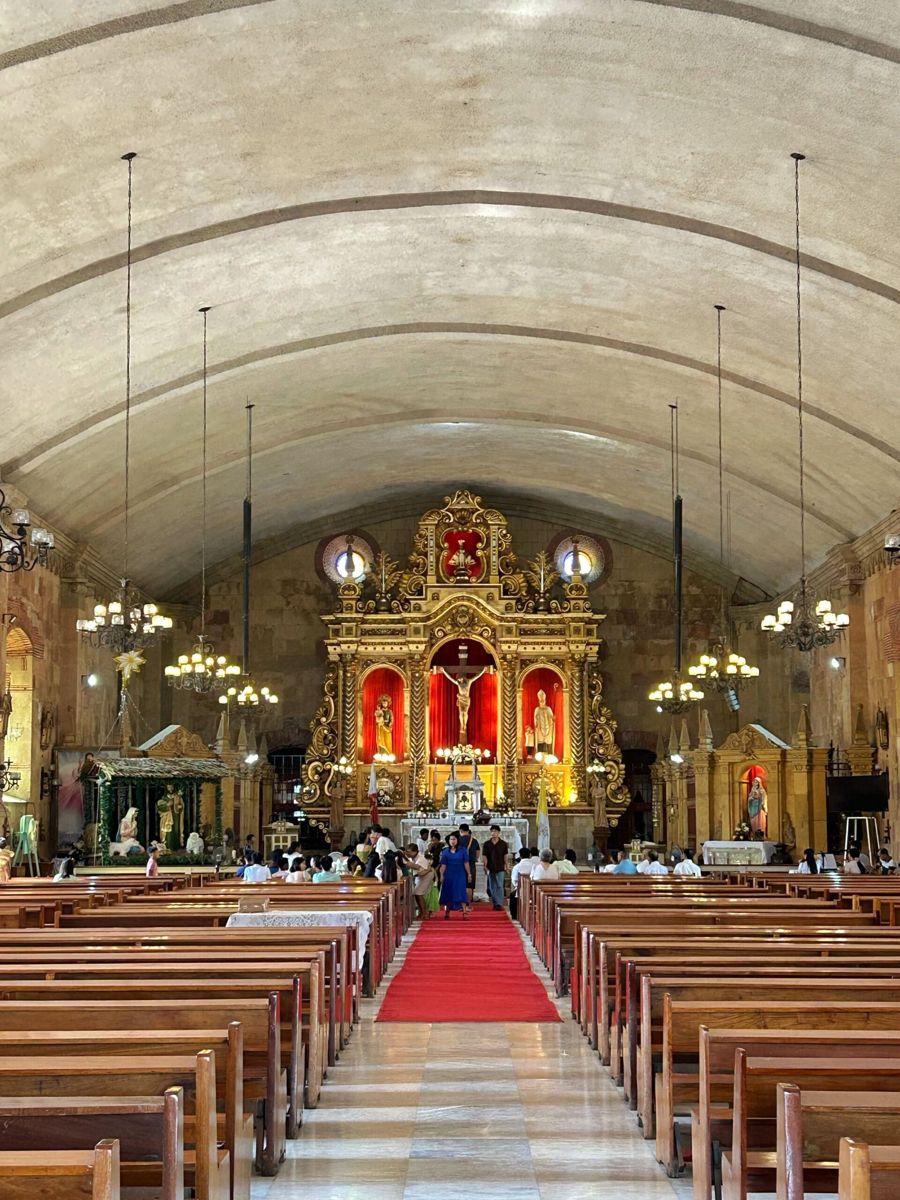
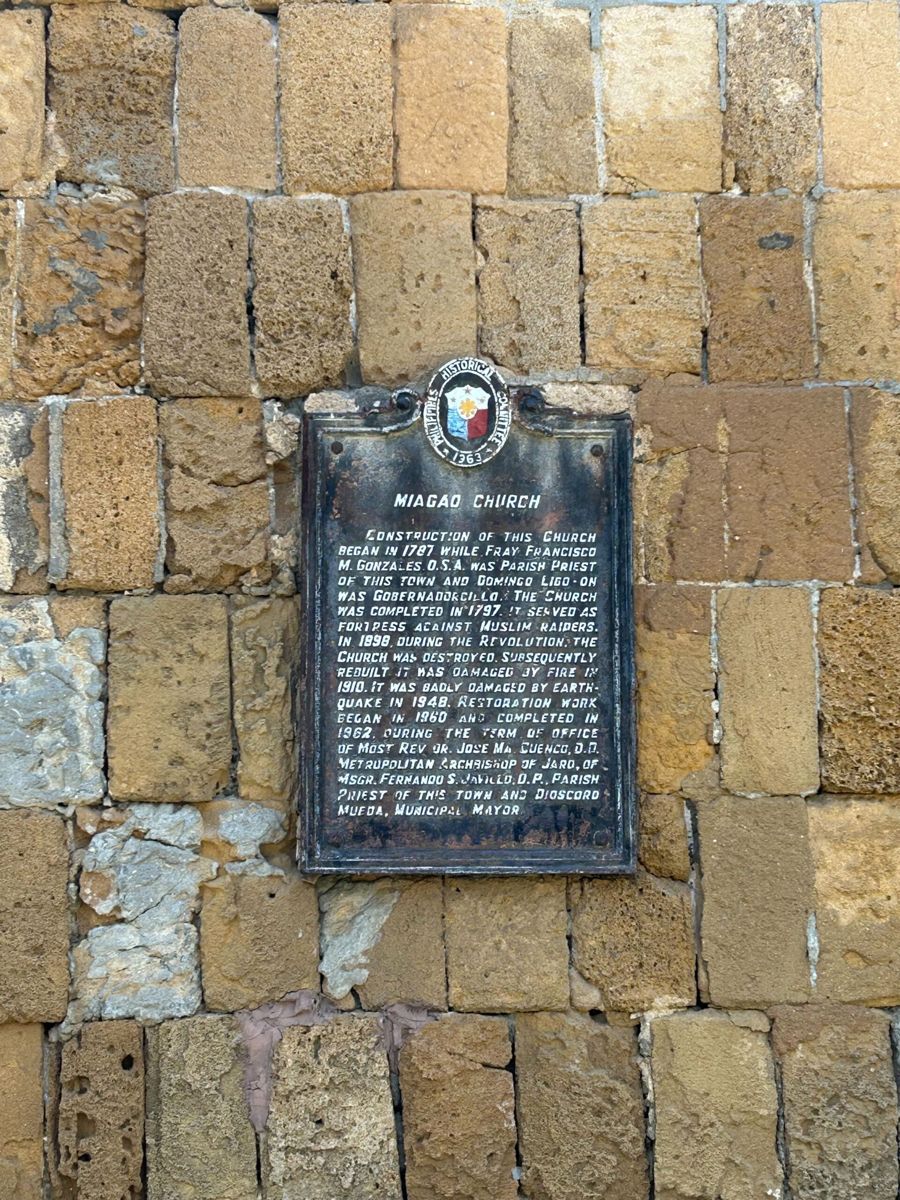
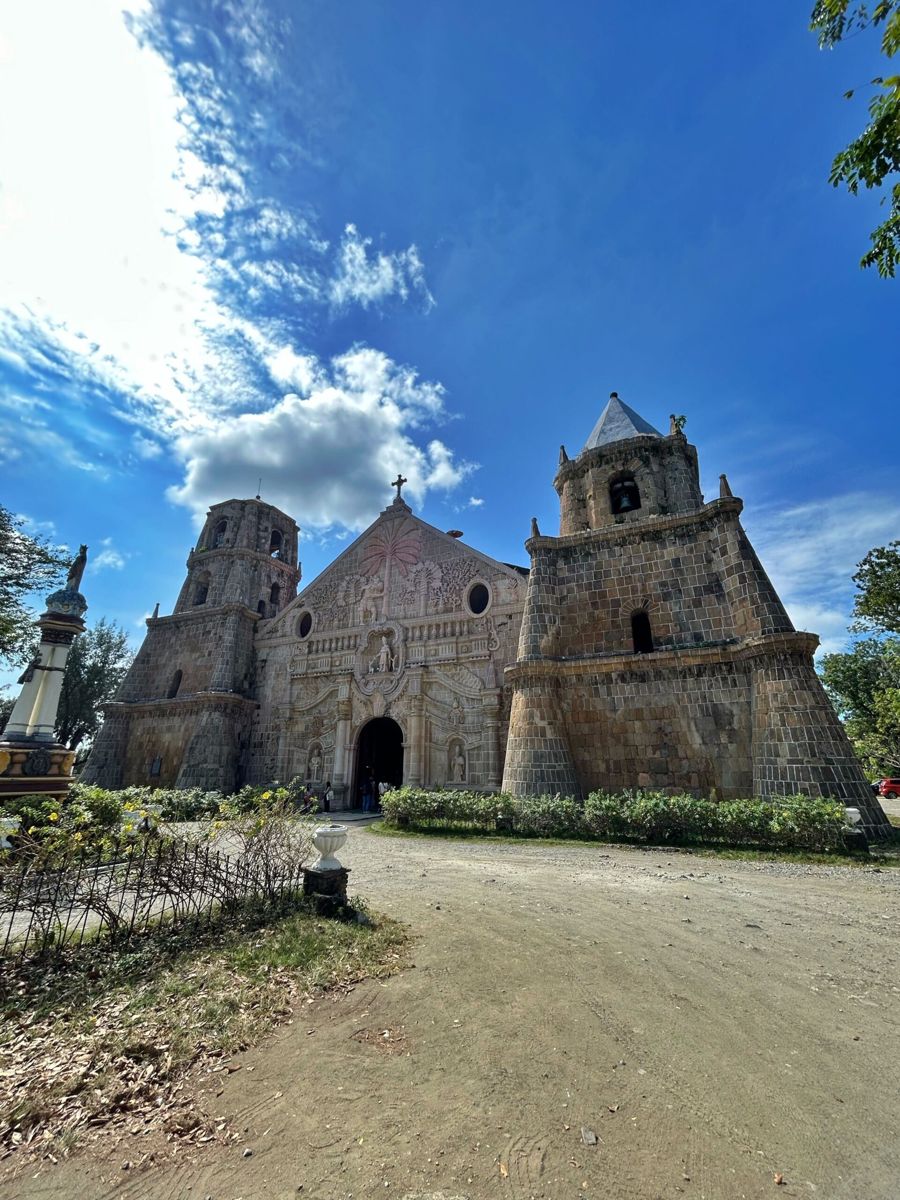
Miagao Church
The Church of Saint Thomas of Villanova in Miagao is a UNESCO World Heritage Site — one of four Philippine Baroque churches inscribed in 1993. Its facade is extraordinary: a carved bas-relief of tropical plants — papaya trees, coconut palms, guava — surrounding the image of Saint Christopher, grafting local natural imagery onto the European baroque idiom.
✦
Dinagyang TimingDinagyang is held in the fourth week of January, coinciding with the Sinulog in Cebu. Both festivals draw massive crowds and book out accommodation months in advance. If attending Dinagyang, book at least two months ahead. If flexibility is possible, arrive the Thursday or Friday before the main Sunday competition for practice performances with smaller crowds.