Map

Camiguin

Northern Mindanao
Mindanao
Capital Mambajao
Population 92,797
Area 237 km²
Municipalities 5
Cities 0
Island Group Mindanao
Languages Cebuano, Filipino
Kapitbahay — Neighboring Provinces
An island province — the sea is the only neighbor. That isolation shaped everything here.

Camiguin is a small island province in Northern Mindanao, located in the Bohol Sea north of Cagayan de Oro. It is shaped by its volcanoes — five of them, standing on an island of only 237 square kilometers — giving it the distinction of having more volcanoes per square kilometer than any other island in the world. The landscape is dramatic: steep volcanic slopes descending to narrow coastal strips, with cold springs, waterfalls, and a submerged cemetery among its defining features.

MambajaoCapital
237 km²Area
5Municipalities
MindanaoIsland Group
Northern Mindanao (X)Region

The Island Born of Fire

The five volcanoes — Hibok-Hibok (active), Mount Vulcan, Mount Tres Marias, Mount Timpoong, and Mount Mambajao — form the island's interior spine. Hibok-Hibok last erupted in 1951, killing over 2,000 people. The volcanic activity that makes the island dangerous also makes it fertile and beautiful: the slopes support lush vegetation and the island's cold springs are fed by rainwater percolating through volcanic rock.

Did You Know?

Camiguin's tourism tagline is 'Island Born of Fire' — appropriate given that the entire island is volcanic in origin and still geologically active.

The province has five municipalities: Mambajao (the capital), Catarman, Sagay, Mahinog, and Guinsiliban. The island circumference is roughly 64 kilometers, making it possible to drive the entire coastal road in about two hours under normal conditions. The population is around 80,000 — small enough that a visitor asking for directions to any attraction will be met with personal knowledge rather than vague gestures.
Camiguin was inhabited before Spanish contact, with communities living on the coastal margins of the volcanic island. The Spaniards established missions in the 16th century, and the island was administered as part of the province of Misamis before being separated as its own province in the 20th century.

1598

Spanish Mission Established

Jesuit missionaries establish the first permanent Christian mission on Camiguin. The church of Saint John the Baptist in the town of Catarman becomes a center of religious and civil life.

1827

Mount Vulcan Eruption

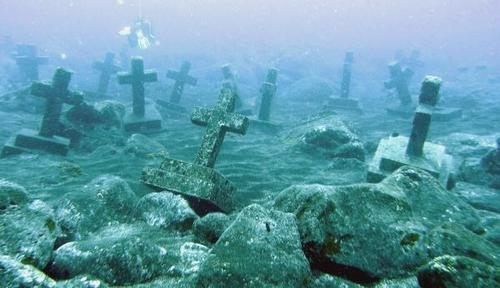
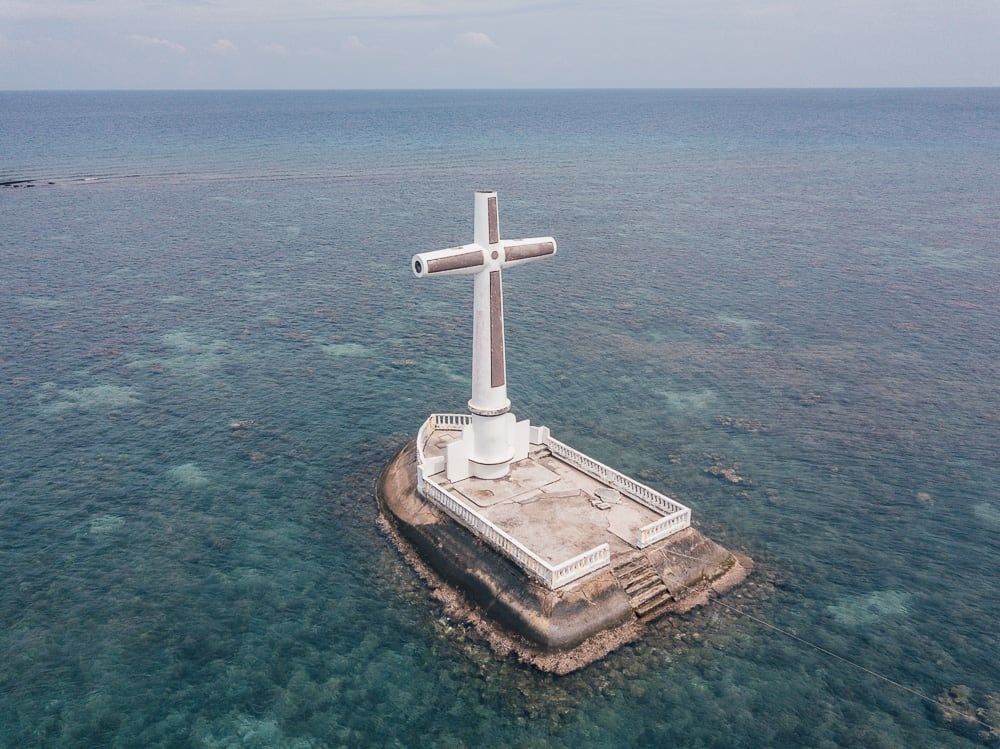
Mount Vulcan erupts, destroying the old town of Catarman and burying the cemetery in lava flows. The ruins of the church and the cemetery, now partially submerged after the land sank, become the Sunken Cemetery — one of Camiguin's most iconic sites.

1871

Further Volcanic Activity

Continued volcanic and seismic activity reshapes the coastline near Old Catarman. The land subsidence that created the Sunken Cemetery is associated with this period of activity.

1948

Camiguin Becomes a Province

Camiguin is established as a separate province, having previously been administered as part of Misamis Oriental.

1951

Hibok-Hibok Eruption

Mount Hibok-Hibok, the island's most active volcano, erupts with a pyroclastic surge that kills over 2,000 people — the deadliest volcanic event in Philippine post-war history. Much of the northern part of the island is devastated.

The province recovered slowly from the 1951 eruption. In subsequent decades it developed a reputation as a quiet, scenic destination, and modern tourism infrastructure has grown steadily since the 1990s while preserving much of the island's unhurried character.

Camiguin's cultural life is marked by its small-island intimacy and its strong Cebuano identity. The province is part of Northern Mindanao but shares the language and many cultural practices of the Visayas. The Lanzones Festival, held every October, is the primary annual celebration — a harvest festival for the island's famous lanzones fruit.

Lanzones Festival

Camiguin lanzones — a small, sweet, translucent-fleshed fruit — are considered the finest in the Philippines. Their quality is attributed to the volcanic soil. The Lanzones Festival in October celebrates the harvest with street dancing, cultural presentations, and the crowning of a festival queen. The event transforms the island's normally quiet streets and is the biggest tourism draw of the year.

Not Bitter in Camiguin

Lanzones fruit grown elsewhere in the Philippines can be mildly bitter. Camiguin lanzones are consistently sweet, a characteristic attributed to the island's volcanic soil. Even within the island, lanzones from different slopes can have noticeably different flavor profiles.

The Sunken Cemetery and the ruins of Old Catarman town hold a particular place in local memory. Every All Souls' Day (November 2), boats carry flowers and candles to be placed over the submerged graves — a practice that combines Catholic tradition with a landscape unlike any cemetery in the Philippines.

See the great festivals in Pista ng Pilipinas →

Camiguin's food follows the Cebuano-Mindanao tradition — grilled seafood, coconut-based dishes, and the abundant fruit that the volcanic soil produces. The island's small size means freshness is not a marketing claim: most seafood served on the island was in the water that morning.

Camiguin Lanzones

Not a cooked dish but the island's most important food product. Eaten raw, peeled by pressing the segments apart to reveal the white translucent flesh. At peak harvest in October, roadside sellers offer piles of fresh lanzones. The skin of Camiguin lanzones, unlike many other varieties, can be eaten — it contributes a subtle resin flavor that balances the sweetness.

Grilled Panga ng Tuna

Tuna jaw grilled over charcoal — a staple across Mindanao that is particularly good in Camiguin where the fish is genuinely fresh. Served with calamansi, soy sauce, and spiced vinegar. Cheap, abundant, and among the best uses of tuna available in the Philippines.

Sinugba (Cebuano-Style Grilled Pork Belly)

Camiguin / Cebuano tradition
30 minutes (plus 2 hours marinade)Prep
20 minutesCook
4Serves
Ingredients
  • 800g, cut into slabsPork belly, skin on
  • 3 tablespoonsBanana ketchup
  • 3 tablespoonsSoy sauce
  • 3 tablespoonsCalamansi juice
  • 1 tablespoonBrown sugar
  • 6 cloves, mincedGarlic
  • to tasteSalt and pepper
Method
  1. Combine all marinade ingredients. Score the pork belly skin lightly.
  2. Coat pork in marinade. Refrigerate at least 2 hours, preferably overnight.
  3. Prepare charcoal grill. Grill pork over medium-high heat, turning every few minutes, until skin is crisp and charred in patches and meat is cooked through — about 20 minutes total.
  4. Rest 5 minutes before slicing into portions.
  5. Serve with spiced vinegar (sukang maasim with garlic and chili) and steamed rice.
Cook's note

Charcoal is non-negotiable for sinugba — gas grilling produces an inferior result. The banana ketchup in the marinade adds a slight sweetness and helps the skin caramelize. Do not rush over high heat or the outside will burn before the inside cooks.

Buy Direct

During lanzones season (October), buy fruit directly from roadside sellers along the circumferential road rather than at the Mambajao market. Prices are lower and the fruit is fresher off the tree.

Cebuano is the primary language of Camiguin. Though the province is administratively in Northern Mindanao, its linguistic and cultural connections are with the Visayas — specifically with the Cebuano-speaking world that stretches from Cebu through Bohol and across much of Mindanao. The Cebuano spoken in Camiguin has some local vocabulary reflecting the island's specific culture and environment.

CebuanoPrimary language
Austronesian, Visayan branchLanguage family
Filipino, EnglishOther languages

The small size of the island creates a linguistic community with unusual cohesion — most people know most other people, and this familiarity shapes communication. There is no significant minority language community in Camiguin; Cebuano is essentially universal across all five municipalities.

Camiguin is reached by ferry from Balingoan port in Misamis Oriental (about 90 minutes from Cagayan de Oro) to Benoni port on the island's eastern side. The crossing takes 45–90 minutes depending on vessel type and sea conditions. There is also a ferry connection from Cagayan de Oro to Camiguin. The island is small enough to circumnavigate by motorcycle in a half day.

90 min drive + 1 hr ferryFrom CDO
~45–90 minutes to BenoniFerry from Balingoan
Motorbike rental (recommended)Getting around
March–May, October (Lanzones)Best months

Sunken Cemetery

The cemetery of old Catarman town, submerged after the 1871 volcanic activity shifted the coastline. A large white cross marks the site in shallow water offshore. Boats can be hired to visit the cross; snorkelers can see the submerged graves below. On All Souls' Day, this becomes a site of candlelit remembrance with flowers placed on the water.

White Island

A pure white sand bar north of Mambajao, shifting in position and size with the tides and seasons. The sand bar is uninhabited and has no facilities. Boats from Yumbing Beach bring visitors out for the day. The view back to the island's volcanic mountains from White Island is among the most photographed in the Philippines.

Ardent Hot Spring

Natural hot spring pools fed by geothermal activity at the foot of Mount Hibok-Hibok in the municipality of Mambajao. The water is genuinely hot — around 40°C — and the setting, surrounded by forest, is peaceful. Most commonly visited in the early morning before day-trippers arrive.

Mount Hibok-Hibok

Camiguin's highest and most active volcano at 1,332 meters. Trekking to the summit takes 6–8 hours round trip and requires registration with the Philippine Institute of Volcanology and Seismology. The trail passes through several vegetation zones and offers views of the Bohol Sea. The volcano is closely monitored; check alert levels before planning the climb.

Draft — for verification

This nature section is a first draft prepared for editorial and factual review before publishing. Species facts, conservation status, and local sightings should be confirmed against current sources.

Camiguin is a small volcanic island north of Mindanao, known for having more volcanoes than towns. Its young volcanic soil, forests, and warm seas shelter a surprising range of life for such a small place.

Camiguin Hawk-Owl
Ninox leventisi
Vulnerable
A small owl found only on Camiguin. It was recognized as its own species fairly recently. Its whole world is this single island, so protecting island forest protects the species.
Field note: Night field work near forest may reveal its call. Avoid clearing the last forest patches, which are its only home.
Camiguin Forest Mouse
Apomys camiguinensis
Endemic
A small forest mouse found only on Camiguin, living in the mountain forest around the volcanoes. It is part of the island's unique set of species.
Giant Clams of Camiguin
Tridacna species
Vulnerable
The waters around White Island and the sunken cemetery hold giant clams and living coral. Local marine sanctuaries protect them and help reefs recover.
Field note: Do not stand on or touch coral and clams while snorkeling. Anchor only on sand or use mooring buoys.
Meet all 65 Philippine animals in Hayop ng Pilipinas →
← All stories
Kasaysayan · Catarman

The Sunken Cemetery

Off the coast of Camiguin, a large white cross rises from the sea. It marks the Sunken Cemetery, one of the island's most haunting landmarks, and the story behind it is written in fire and water.

Before the volcanoes made it famous, Camiguin was a quiet, prosperous place. The town of Catarman thrived around the Guiob Church, a stone church built in the early 1800s. Then, in May 1871, Mount Vulcan erupted. Over the years that followed, lava buried the town, and the land along the coast, including the old cemetery, slowly sank beneath the sea.

Today the Guiob Church ruins still stand, their thick walls blackened but unbowed, and out on the water the cross keeps watch over the graves below. Snorkelers can swim above coral-covered tombstones. It is a place where history and nature meet, a memorial to a community that endured, and it is now a National Cultural Treasure.

Mga Larawan